Porsche 356
The Volkswagen-based first Porsche that proved a small, light, well-balanced car could out-handle far more powerful rivals.
Designed by Ferdinand "Ferry" Porsche using Volkswagen Beetle mechanicals as a starting point, the 356 was the car that launched Porsche as an automaker in its own right. Light weight and careful aerodynamics let modest horsepower translate into real performance and — more importantly — handling that built the reputation everything from the 911 onward has traded on since.
History
The first 356s were hand-built in Gmünd, Austria starting in 1948, with aluminum bodywork over a tubular frame. Production moved to Stuttgart, Germany in 1950 as Porsche transitioned to a steel unibody and began building the car in real volume for the first time.
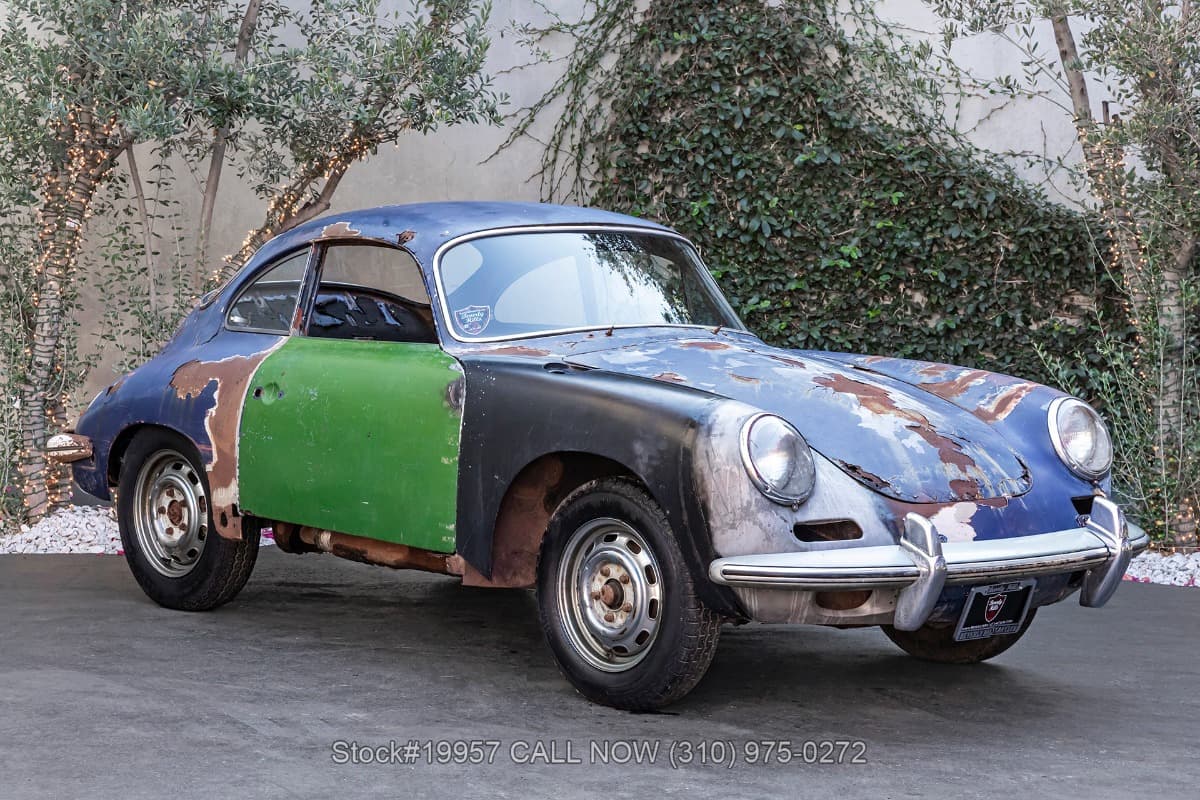
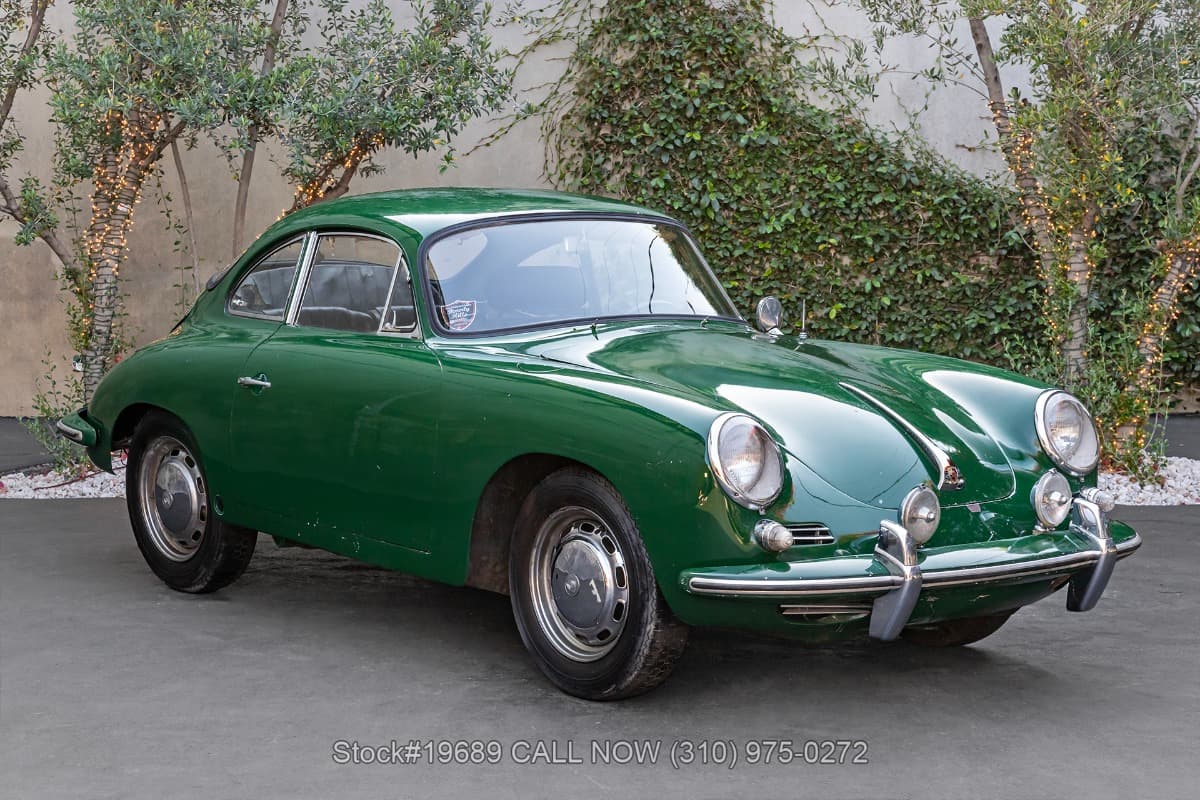
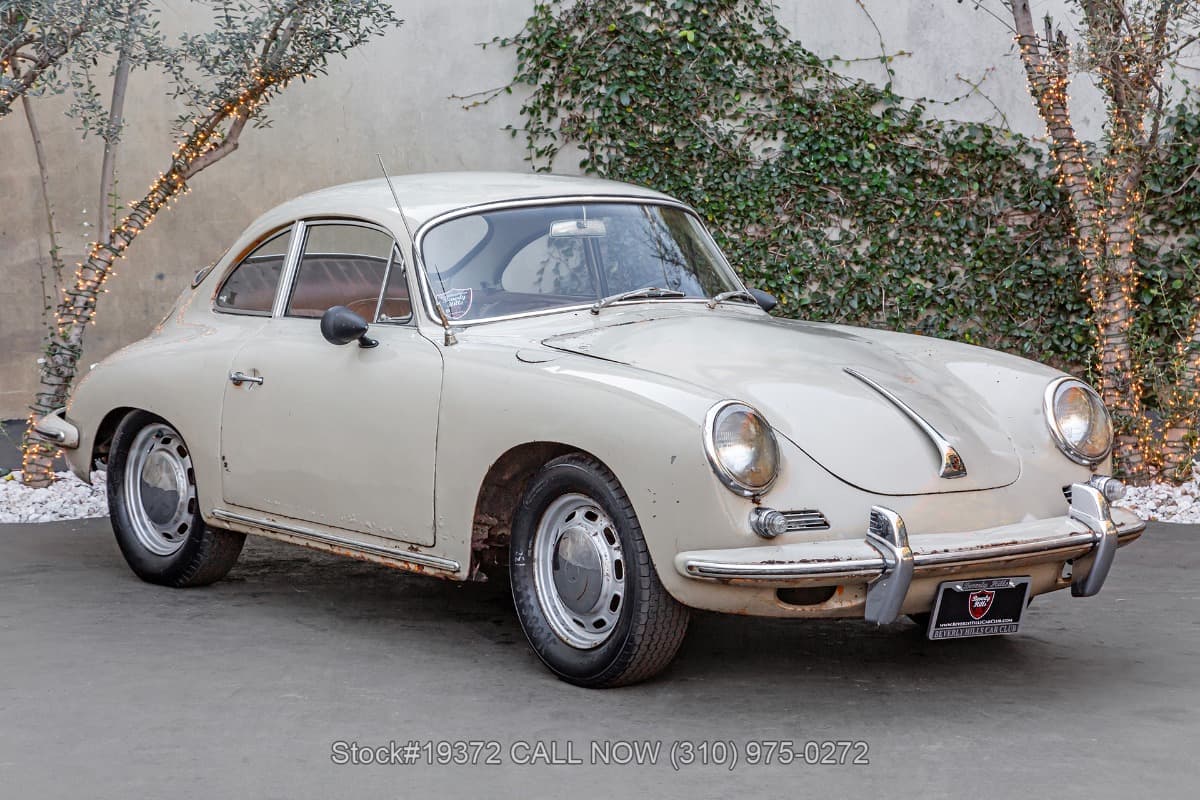
The 356 evolved continuously through the A (1955), B (1959), and C (1963) series, each bringing chassis, engine, and styling refinements — larger windows, a curved windshield, and steadily rising horsepower from the four-cylinder "boxer" engine.
The 356 Carrera, introduced in 1955, used a race-derived four-cam engine developed with input from Porsche's racing program — a far more serious and temperamental engine than the standard pushrod cars, built in small numbers for buyers who wanted genuine competition pedigree on the street.
Notable Versions
Speedster
Low-windshield, minimal-top roadster built for the US market starting 1954 — the most iconic and most replicated 356 body style.
356 Carrera
Race-derived four-cam engine, built in limited numbers. Far more valuable and far more maintenance-intensive than a pushrod 356.
Pre-A (Gmünd/early Stuttgart)
The earliest, rarest 356s, built in very small numbers before the A-series standardized production.
What to Look for When Buying
Key inspection points from experienced collectors.
Rust is the single biggest risk
Floor pans, battery area, longitudinal frame members, and lower doors are common rust locations — a thorough inspection is essential on any 356.
Beware of Speedster replicas and re-bodies
The Speedster's value and popularity have made it one of the most replicated classic car bodies ever built — verify chassis numbers against Porsche records.
Carrera engines require specialist knowledge
The four-cam Carrera engine is complex, expensive to rebuild, and easy to damage in the hands of a non-specialist — confirm who has serviced it.
Check for matching-numbers engine and chassis
Engine swaps (including later 912/911 engines) are common; originality significantly affects value.
Inspect the top mechanism and frame on Cabriolets and Speedsters
Convertible-specific structural reinforcement should be intact and rust-free — repairs here are labor-intensive.
Quick Specs
- Engine
- 1.1L–2.0L air-cooled flat-four
- Horsepower
- 40 hp (1948 base) – 130 hp (Carrera 2)
- Wheelbase
- 82.7 in
- Weight
- approx. 1,800–2,200 lbs
- Transmission
- 4-speed manual
- 0–60 (Super 90)
- approx. 11 seconds
Market Price Guide
Approximate USA asking prices
Shop Parts
Find Porsche 356 parts on eBay
Shop on eBay →We may earn a referral fee if you make a purchase through this link, at no additional cost to you. Learn more
Porsche 356 For Sale
8 listings currently available