The 1940s Classic Cars
Wartime production halted almost entirely — then the first true postwar redesigns arrived.
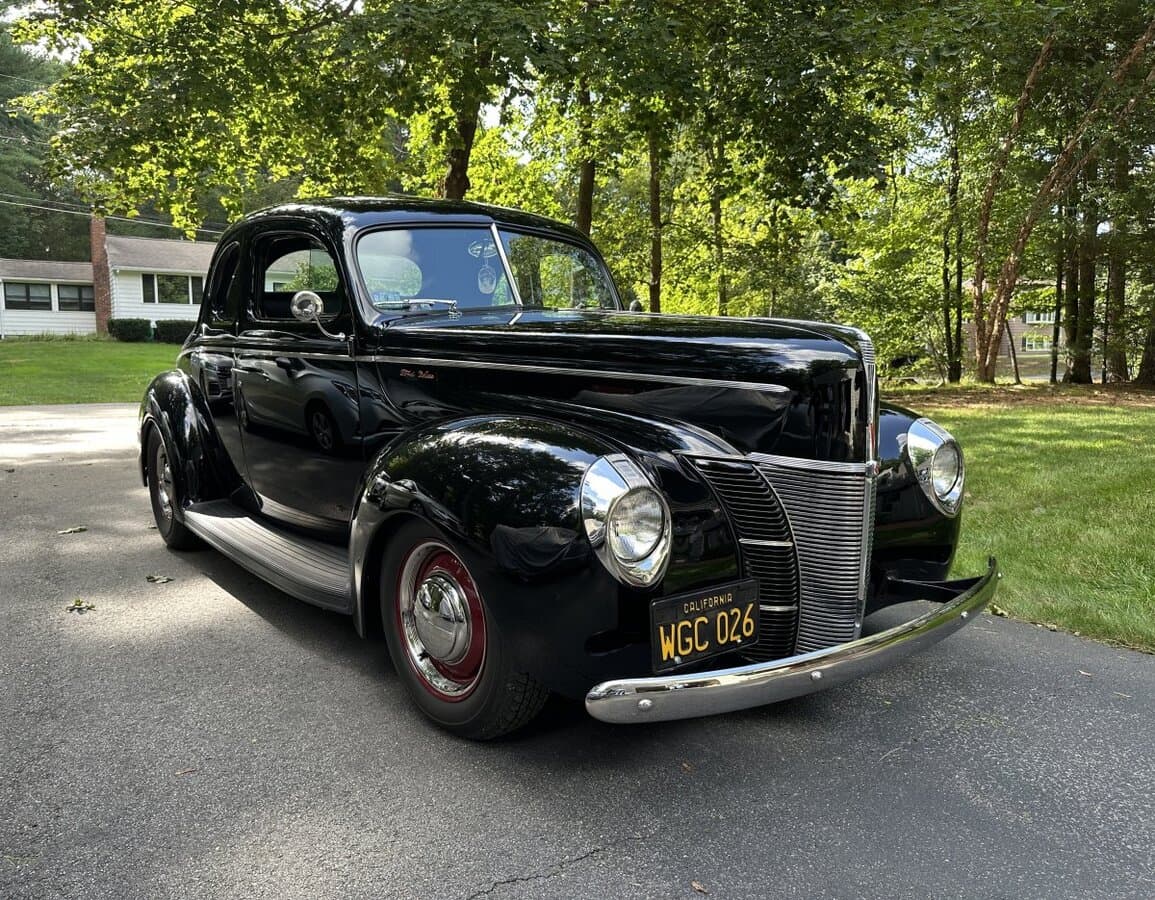
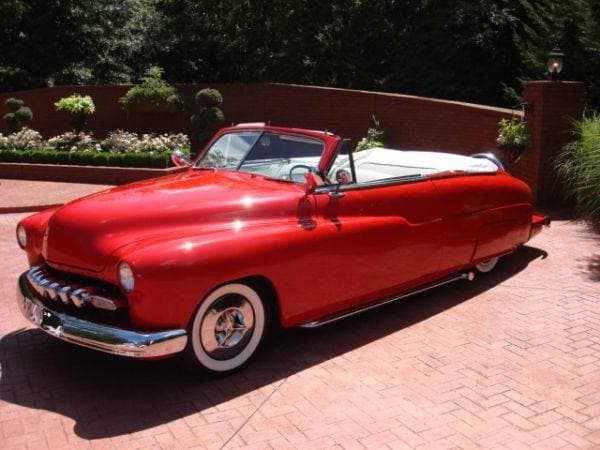
American civilian auto production nearly stopped from 1942 to 1945, as automakers converted factories to build tanks, jeeps, and aircraft for the war effort. The first postwar cars, from 1946 to 1948, were largely warmed-over versions of 1942 designs, since full retooling took years. The real story of the decade is 1949 — the first genuinely new postwar designs from Cadillac, Oldsmobile, and Ford arrived, and are generally considered the true start of the modern American car.
Notable Models
Cadillac Series 62
1940–1964Introduced for 1940 to replace the discontinued LaSalle, the Series 62 became Cadillac's volume full-size line for a quarter-century — the car that funded the brand's flagship Fleetwood and Eldorado models. It's most famous for the 1948 model year, when designer Harley Earl's team gave it a set of small rear fins inspired by the Lockheed P-38 Lightning fighter plane, launching the tailfin era that would define American car design through the 1950s and 60s.
Chevrolet 3100
1947–1955The 3100 was the half-ton model in Chevrolet's first fully redesigned postwar truck line, known collectively as "Advance Design." Its rounded fenders, five-bar horizontal grille, and wide, low-set headlights gave it an instantly recognizable look that remains one of the most popular vintage-truck restoration and hot-rod platforms today.
Dodge Power Wagon
1945–1968Introduced in 1945, the Power Wagon adapted Dodge's WD-series military truck almost directly for civilian sale, four-wheel drive and all. It predates the modern idea of a "4x4 pickup" as a consumer product by years, and its rugged, oversized, unmistakably military-derived styling has made it one of the most distinctive vintage trucks on the collector market.
GMC 100
1947–1955Built alongside the Chevrolet Advance Design trucks on the same basic chassis and cab, GMC marketed its version as the "New Design" line with its own model-number scheme — the 100 was the half-ton, with 150 and 250 covering heavier ratings. GMC trucks of this era are less commonly seen than their Chevrolet siblings today, which appeals to collectors who want the same classic styling with a rarer badge.
Hudson Commodore
1948–1952Introduced alongside the rest of Hudson's revolutionary step-down lineup in 1948, the Commodore was the brand's premium series, offered with a choice of six-cylinder or straight-eight power and positioned above the mid-range Super and Pacemaker. It shares its innovative low-slung unibody construction with the more famous Hornet, but with a broader range of engine and trim choices for buyers who wanted Hudson's handling without the Hornet's more overtly performance-oriented image.
Nash Ambassador
1949–1957Redesigned for 1949 with dramatically rounded "Airflyte" bodywork and genuine unibody construction — unusual for a full-size American car of the era — the Ambassador served as Nash's senior line through the company's final years as an independent automaker and into the early AMC merger period. Its combination of aerodynamic styling, class-leading fuel economy for its size, and genuinely novel features like reclining front seats that folded into a bed gave it a distinct identity against bigger, more conventional Big Three rivals.
Buying Tips
- 1.Distinguish clearly between true prewar-design cars (1940–1948, mechanically similar to 1930s cars) and the all-new 1949 "modern" designs — values and mechanical expectations differ significantly between the two.
- 2.Flathead engines were still standard through the decade — confirm a seller understands the difference between a period-correct flathead and a later small-block V8 swap, which is common on driver-quality cars from this era.
- 3.Six-volt electrical systems remain the norm — ask whether the car has been converted to 12-volt, since this affects both originality value and parts compatibility.
- 4.War-effort shortages meant some 1942–1945 civilian cars used substitute materials (like painted trim instead of chrome) — know what's original to a given model year before assuming missing chrome is a later modification.