The 1930s Classic Cars
The golden age of coachbuilt luxury and the birth of streamlined American style.
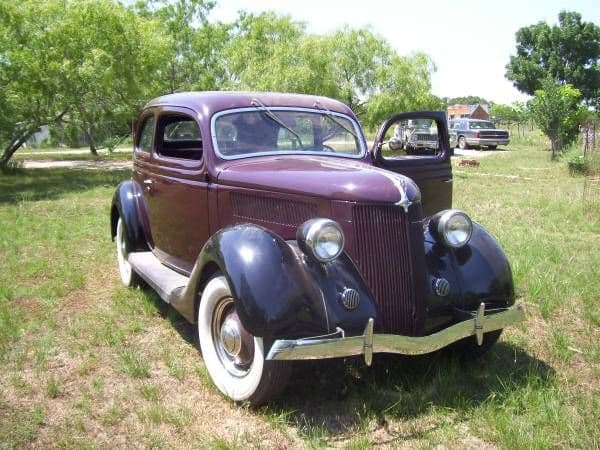
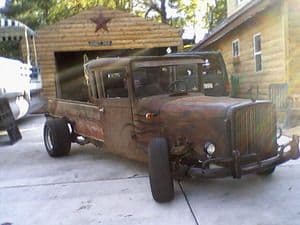
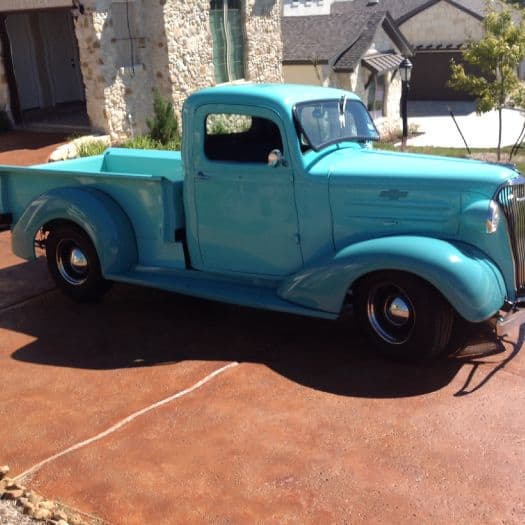
The 1930s were defined by contrast — the Great Depression forced many independent automakers out of business, even as the decade produced some of the most extravagant, coachbuilt luxury cars ever built. Streamlined, Art Deco styling took hold industry-wide by mid-decade, replacing the boxy, upright shapes of the 1920s. Cars from this era are true pre-war classics: six-volt electrics, non-synchronized manual transmissions, and mechanical brakes were still standard, and most surviving examples today are treated as investment-grade collectibles rather than drivers.
Notable Models
Ford Model A
1927–1931Introduced in December 1927 to replace the aging Model T after nearly two decades of production, the Model A was a completely new design with conventional three-pedal controls (the Model T used unusual pedal-operated planetary gears), giving it broad appeal to drivers already used to other makes. Over 4.8 million were built in just over four years, making surviving examples relatively plentiful and parts support excellent even a century later.
Volkswagen Beetle
1938–1979Ferdinand Porsche's original "people's car" design became a global phenomenon, prized for its simplicity, reliability, and irrepressible character across four decades of largely unchanged core engineering — the rear-mounted, air-cooled flat-four never really went away.
Buying Tips
- 1.Pre-war cars require a mechanic with genuine experience on the era — six-volt electrical systems, non-synchro "crash box" manual transmissions, and babbitt bearing engines are fundamentally different from anything built after WWII.
- 2.Check wood-framed body sections (common under the sheet metal on many 1930s cars) for rot — this is a distinct failure point that doesn't exist on later all-steel unibody or body-on-frame cars.
- 3.Parts for 1930s cars are often NOS (new-old-stock) or reproduction-only — confirm what's actually available for the specific make and model before assuming a restoration is straightforward.
- 4.Verify title and provenance carefully — cars from this era are frequently exhibited, appraised, and sold at a premium for documented history, so paperwork gaps matter more here than on a common postwar classic.