Porsche 911 (Classic, Air-Cooled)
The rear-engined icon that defined Porsche — and the sports car benchmark every rival gets measured against.
Replacing the 356 in 1964, the 911 kept Porsche's unconventional rear-engine layout and turned it into a virtue rather than a compromise, delivering handling that rewarded skill and punished carelessness in equal measure. Five decades of continuous development have followed, but the early air-cooled cars — from the original long-hood 2.0-liter through the G-body cars of the 1970s and 80s — remain the purest expression of the concept and the most collected 911s today.
History
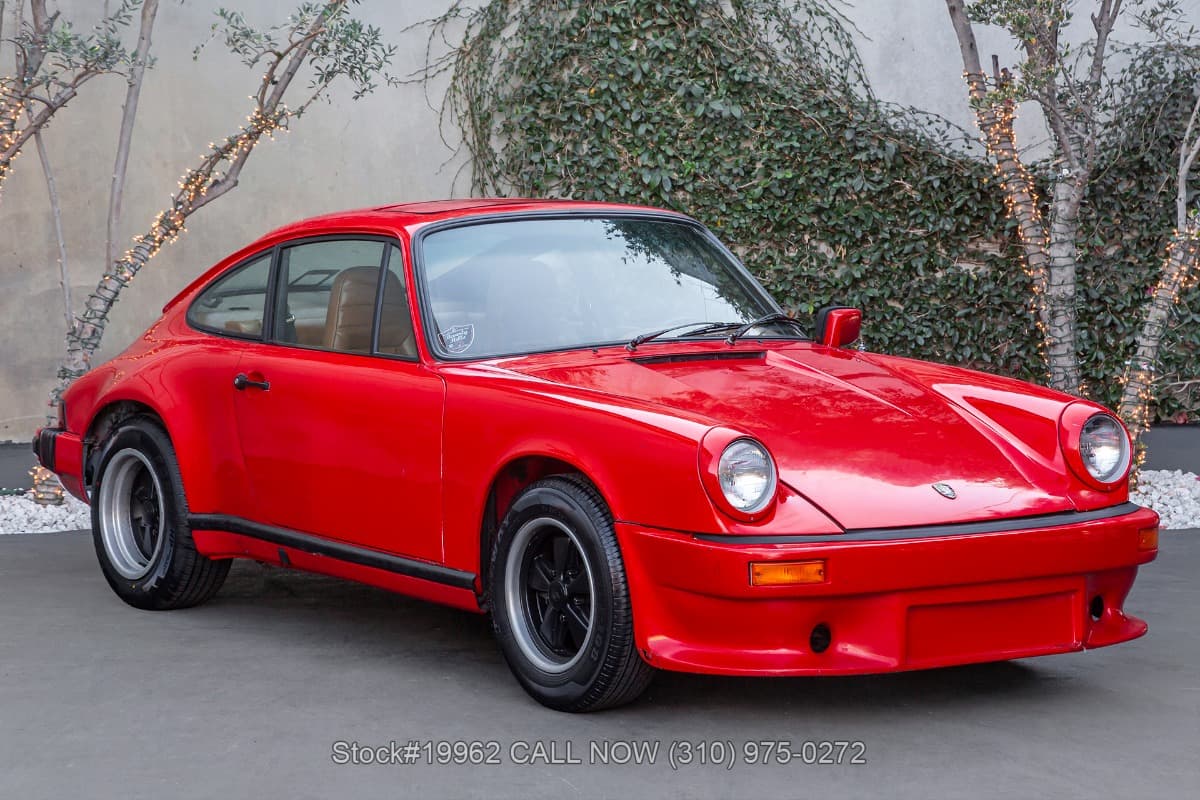
The original 1964 911 (badged 901 for a matter of months before Peugeot objected to the naming scheme) used a 2.0-liter flat-six making 130 hp — a modest figure that belied how far ahead of its rivals the chassis balance and steering feel already were. "Long-hood" cars (pre-1973) are especially prized for their slim bumpers and purity of line.
The 1973 Carrera RS 2.7 (fewer than 1,600 originally built, split between Sport and Touring trim) added a ducktail spoiler, lightweight body panels, and a bored-out 210 hp engine — creating both a genuine homologation racer and, decades later, one of the most valuable air-cooled 911s in existence.
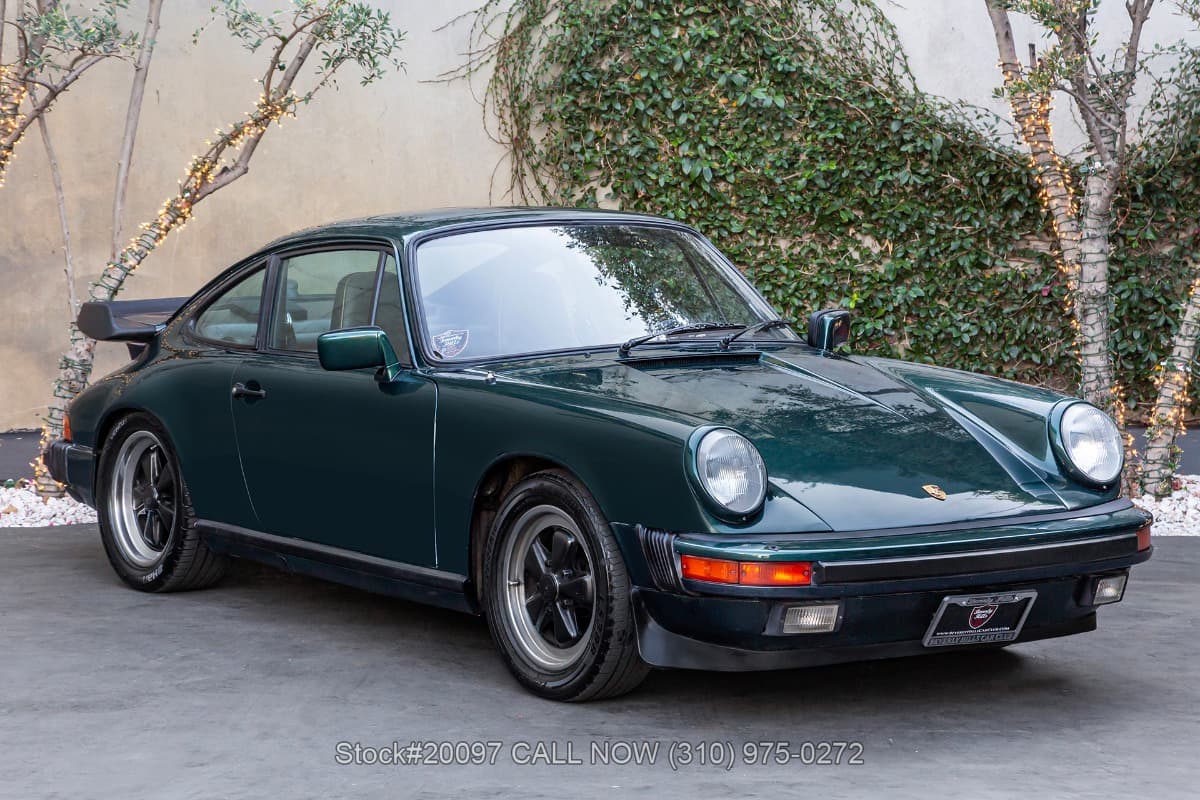
From 1974 the "G-body" cars adopted large impact-absorbing bumpers to meet US regulations — controversial at the time, now simply part of the era's look. The line culminated in the 1989 Carrera 3.2 Speedster and the limited-run 964-adjacent special editions before Porsche moved to the water-cooled 964 platform.
Notable Versions
1973 Carrera RS 2.7
Fewer than 1,600 built. Ducktail spoiler, lightweight construction, 210 hp. The most valuable and sought-after air-cooled 911.
930 Turbo
Porsche's first production turbo 911 (1975+), with dramatic flared wheel arches and a whale-tail spoiler. Demanding to drive fast, hugely rewarding when done right.
1989 Carrera 3.2 Speedster
A low-windshield, low-top final send-off for the G-body generation before the water-cooled 964 arrived.
What to Look for When Buying
Key inspection points from experienced collectors.
Rust in the front floor pans, battery kickers, and torsion bar tubes
Classic 911s rust in specific, well-documented locations — a specialist inspection focused on these areas is essential before buying.
Confirm engine numbers match the car
Engine swaps are common after 50+ years of ownership; matching-numbers cars carry a real premium, especially on RS and Turbo models.
Budget for major engine-out service intervals
Clutch and major service work requires pulling the engine on these cars — factor that labor cost into any purchase, not just the asking price.
Verify RS/Turbo authenticity against factory records
Given the value gap between a standard 911 and a genuine RS or early Turbo, verifying chassis numbers against Porsche production records is standard practice.
Check for accident history around the front luggage area
Front-end impacts are common given the era's bumpers; inspect the frame rails and inner fenders carefully for prior repair.
Quick Specs
- Engine
- 2.0L–3.2L air-cooled flat-six
- Horsepower
- 130 hp (1964 2.0L) – 231 hp (1989 Carrera 3.2)
- Wheelbase
- 89.4 in
- Weight
- approx. 2,150–2,700 lbs
- Transmission
- 4/5-speed manual (915/G50); Sportomatic semi-auto optional
- 0–60 (Carrera 3.2)
- approx. 6 seconds
Market Price Guide
Approximate USA asking prices
Ready to find one?
Browse current Porsche 911 (Classic, Air-Cooled) listings from trusted dealers.
View All Listings →Shop Parts
Find Porsche 911 (Classic, Air-Cooled) parts on eBay
Shop on eBay →We may earn a referral fee if you make a purchase through this link, at no additional cost to you. Learn more
Porsche 911 (Classic, Air-Cooled) For Sale
37 listings currently available