Muscle Cars For Sale
American V8 performance icons — from the original 1964 GTO to the last true big-block classics.
"Muscle car" generally refers to a mid-size American two-door built around a large, high-output V8 — a formula usually traced to the 1964 Pontiac GTO, which proved a full-size performance engine could be dropped into a lighter intermediate body for a genuinely fast, relatively affordable car. Every major domestic manufacturer followed with its own take through the late 1960s and early 1970s: the Chevelle SS, the Road Runner, the Charger R/T, the Mustang and Camaro (technically "pony cars," close cousins built on a smaller platform). Rising insurance premiums, tightening emissions standards, and the 1973 oil crisis effectively ended the era by the mid-1970s, though a handful of nameplates carried the spirit forward. Today, well-documented, numbers-matching examples from the 1964–1972 peak years remain some of the most actively collected American cars.
Notable Models
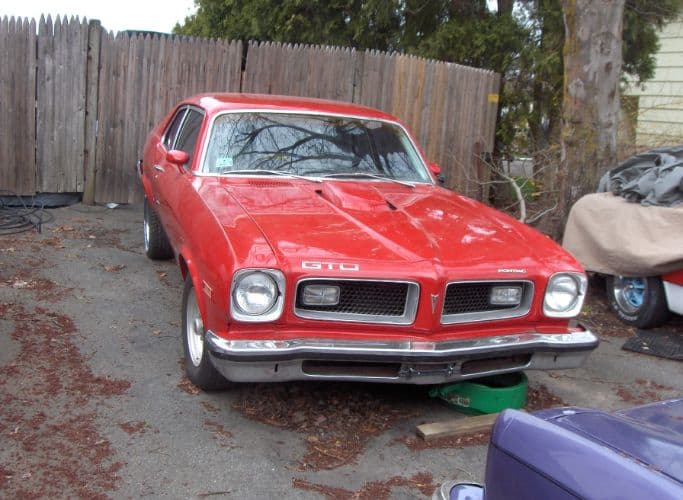
Pontiac GTO
1964–1974Widely credited with starting the muscle car era outright — the original 1964–67 GTO is as close to the template as it gets.
Chevrolet Chevelle SS
1964–1972The 1970 SS454 LS6 is considered by many the high-water mark of the entire muscle car era.
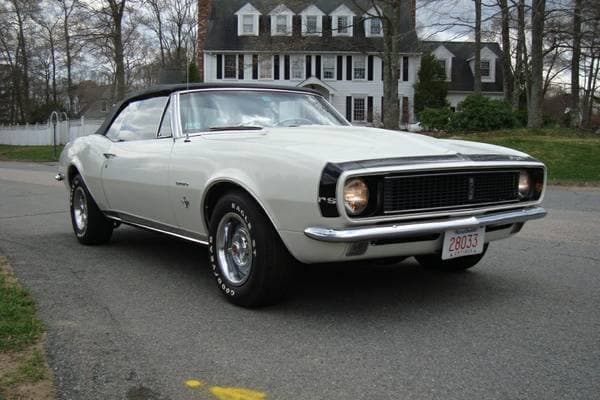
Chevrolet Camaro
1967–1981Chevrolet's pony-car answer to the Mustang, with the Z28 and COPO ZL1 among its most collectible performance variants.
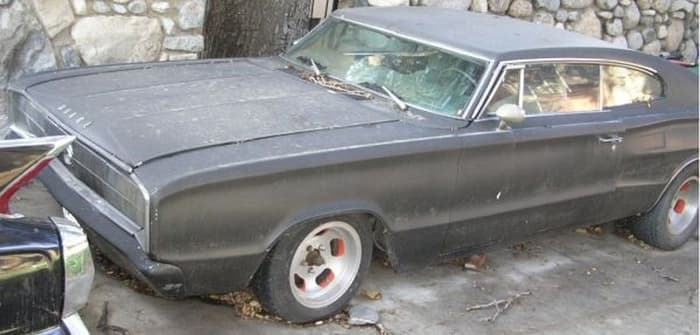
Dodge Charger
1966–1974The second-generation (1968–70) Charger's coke-bottle styling made it an instant icon; R/T and Daytona variants remain top-tier collectibles.
Plymouth Road Runner
1968–1980Built deliberately stripped-down and affordable compared to the GTX, proving raw performance could be sold on a budget.
Ford Mustang
1964½–1973The pony car that started the segment, with genuine muscle-car performance in GT, Boss 302/429, and Shelby-built variants.
Oldsmobile 4-4-2
1964–1980Oldsmobile's entry, praised for handling as well as straight-line speed — the W-30 Force-Air package is particularly sought after.
AMC AMX
1968–1970American Motors' two-seat muscle car — a genuine oddity in the segment, increasingly recognized as undervalued.
Buying Tips
- 1.Verify numbers-matching engine/transmission before paying a premium — muscle cars are among the most commonly cloned or re-created vehicles in the hobby, given how much a documented factory performance package affects value.
- 2.Get the broadcast sheet, fender tag, or cowl tag decoded, and cross-check it against what the seller claims — factory-optioned performance packages (specific engines, axle ratios, trim) carry a real premium, and mismatches are common on cars that have changed hands many times.
- 3.Inspect trunk floor, floor pans, and quarter panels for rust and prior repair — these are 50+ year old unibody and body-on-frame cars, and structural rust is the norm on unrestored examples, not the exception.
- 4.Confirm whether the car has been modified from its original specification (engine swap, non-original paint code, added trim) — a well-done resto-mod isn't a bad car, but it's priced and valued differently than a numbers-matching original.