Jeep Grand Wagoneer
The genuine original luxury SUV — real four-wheel-drive capability wrapped in wood-paneled, leather-lined comfort, still the market's reference point today.
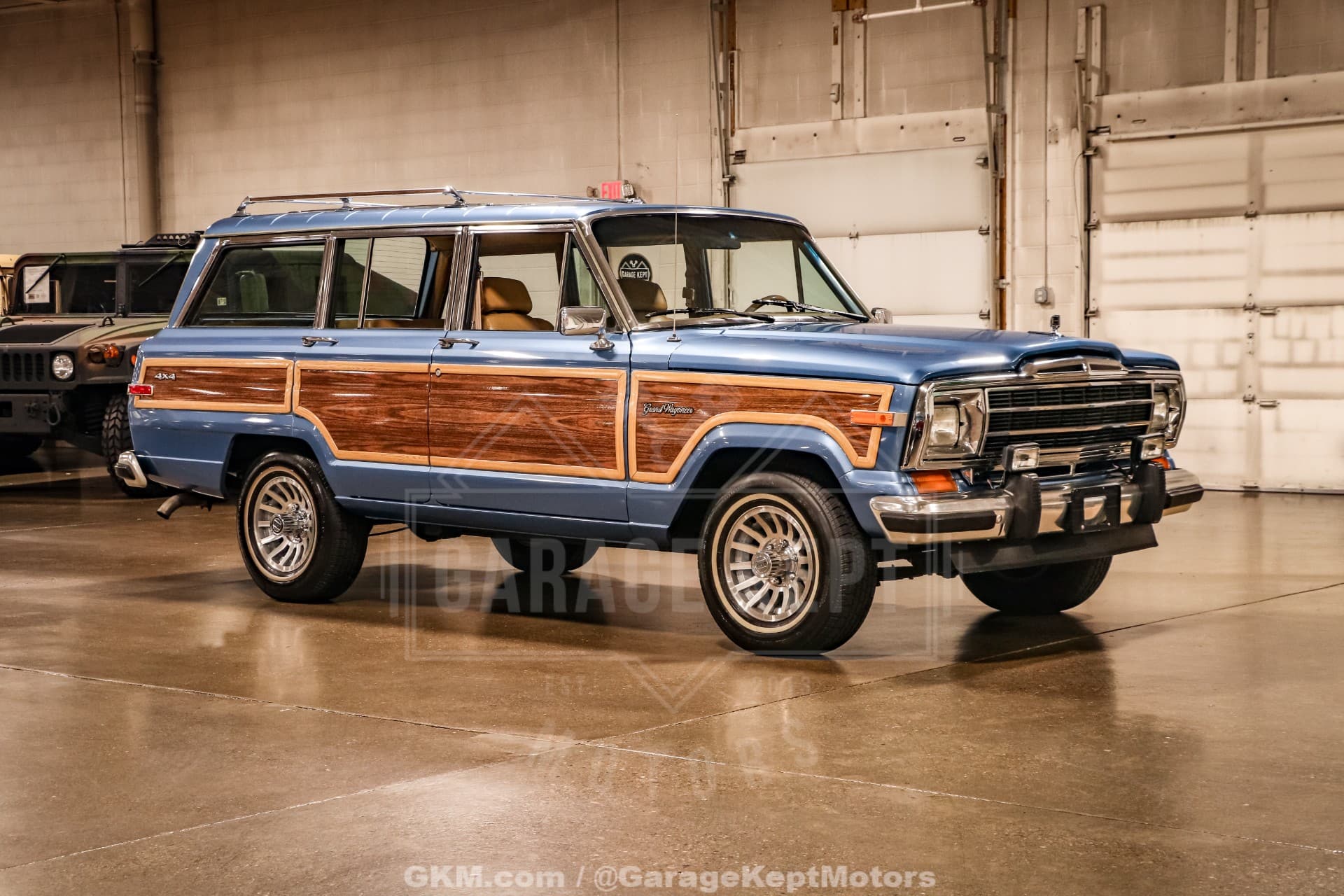
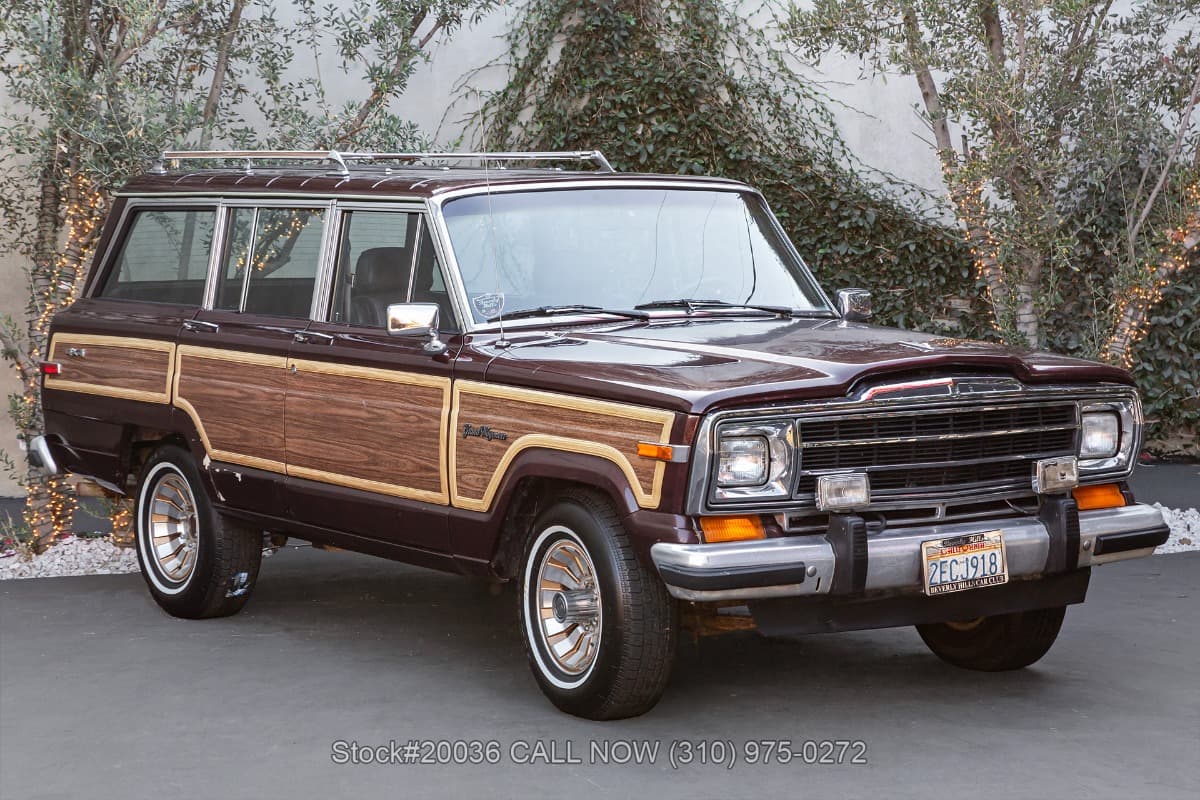
The final and most refined evolution of a body style that had remained fundamentally unchanged since 1963, the Grand Wagoneer paired genuine off-road capability with a level of interior comfort and equipment no other 4x4 of the era offered — creating, largely by accident of a long production run rather than deliberate strategy, the template for the modern luxury SUV. Its distinctive simulated-wood body paneling and traditional American full-size proportions have made it one of the strongest and most rapidly appreciating collector vehicles of the last decade.
History
The Wagoneer nameplate dated back to 1963, but by the mid-1980s — under AMC ownership, after Jeep had introduced the smaller, more modern Cherokee (XJ) — the original full-size Wagoneer was rebadged "Grand Wagoneer" and repositioned as a genuine luxury flagship rather than the mainstream family wagon it had originally been.
Chrysler acquired AMC (and with it, Jeep) in 1987, continuing Grand Wagoneer production largely unchanged — the model's fundamentally sound, decades-old design required little updating to remain desirable to its established luxury buyer base.
Production ended in 1991 as Chrysler focused Jeep's SUV lineup on more modern platforms, but the Grand Wagoneer's combination of genuine capability and old-money American luxury styling has driven a dramatic collector resurgence in the years since, with well-preserved examples now commanding serious money.
Notable Versions
Final Edition (1991)
The last model year, often considered the most desirable given the longest list of refinements accumulated over the run.
Woodgrain Package
The simulated wood body paneling that's become the model's defining visual signature — genuine collector value hinges on its condition.
Base (non-woodgrain) Grand Wagoneer
A less common configuration without the wood paneling, offering a cleaner look for buyers who prefer it — genuinely rarer today, though less sought after by most collectors.
What to Look for When Buying
Key inspection points from experienced collectors.
Woodgrain condition significantly affects value
The simulated wood paneling deteriorates and is costly to restore or replace correctly — inspect it carefully as a major value factor.
Rust in the frame, rocker panels, and rear wheel arches is common
A body-on-frame design from a fundamentally 1960s platform — rust in structural areas is a real concern given the vehicle's age.
Verify AMC V8 and TH400 transmission condition
Generally durable components, but confirm service history given how many examples saw hard use before their recent collector resurgence.
Interior leather and wood trim restoration is expensive
Given the model's luxury positioning, correctly restoring deteriorated interior trim is a significant cost most buyers underestimate.
Be aware values have risen sharply — verify you're paying a fair price
The Grand Wagoneer's collector market has moved quickly in recent years; research recent comparable sales rather than relying on older price guides.
Quick Specs
- Engine
- 5.9L AMC V8
- Horsepower
- 144 hp
- Wheelbase
- 108.7 in
- Weight
- approx. 4,300 lbs
- Transmission
- 3-speed automatic (TH400)
- 0–60
- approx. 12–13 seconds
Market Price Guide
Approximate USA asking prices
Ready to find one?
Browse current Jeep Grand Wagoneer listings from trusted dealers.
View All Listings →Shop Parts
Find Jeep Grand Wagoneer parts on eBay
Shop on eBay →We may earn a referral fee if you make a purchase through this link, at no additional cost to you. Learn more
Jeep Grand Wagoneer For Sale
2 listings currently available