Classic Coupes
Two-door performance and style — the backbone of the American muscle car era.
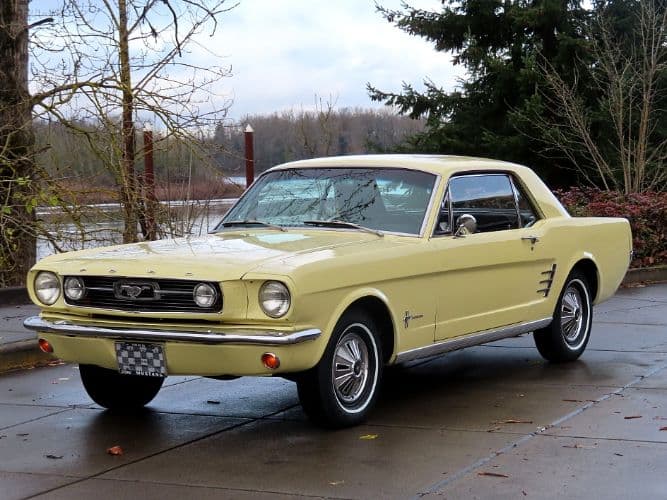
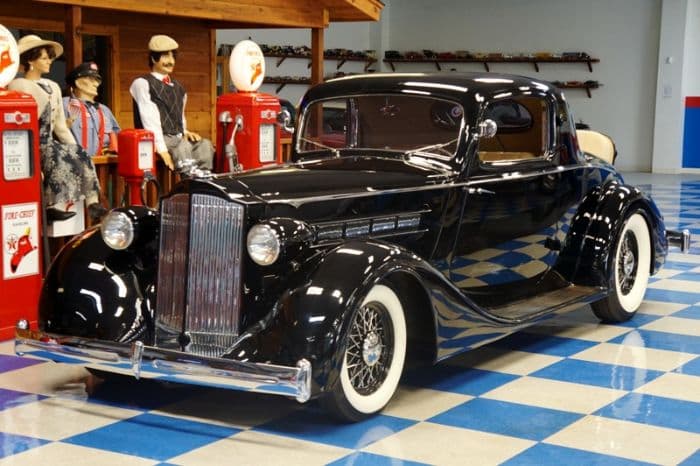
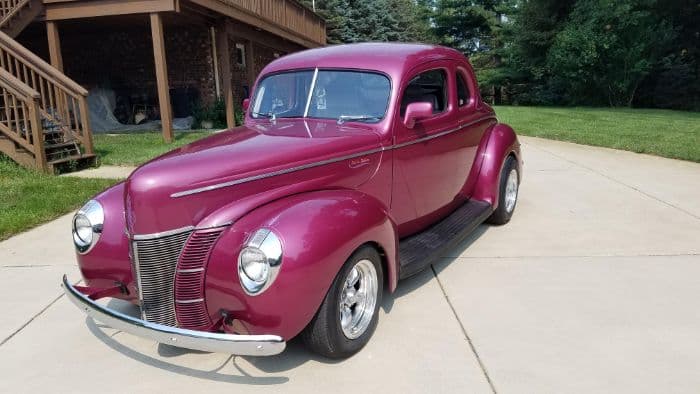
The two-door coupe was the default body style for American performance cars through the muscle car era, prized for its lighter weight and stiffer structure compared to a convertible or four-door sedan built on the same platform. Nearly every legendary muscle car — the GTO, the Chevelle SS, the Charger — was built first and foremost as a coupe, with other body styles arriving as variants. That combination of rigidity, lower weight, and factory performance intent is exactly why coupes remain the baseline collectible version of most classic nameplates today.
Notable Models
Pontiac GTO
1964–1974Widely credited with starting the muscle car era outright — a '64-'67 GTO coupe is as close to the original muscle car template as it gets.
Chevrolet Chevelle SS
1964–1972The SS coupe, especially with the 396 or 454 big-block, is one of the most consistently strong-value muscle cars in the collector market.
Dodge Charger
1966–1974The second-generation (1968-1970) Charger coupe's rounded, coke-bottle styling made it an instant icon, and R/T and Daytona variants remain top-tier collectibles.
Plymouth Barracuda
1964–1974The third-generation ('Cuda) coupe, especially with a 440 or Hemi, is among the most valuable American muscle cars in existence.
Buying Tips
- 1.Check numbers-matching status on the engine and transmission carefully — coupes are the most commonly cloned/re-created body style for high-value nameplates, so a documented build sheet or fender tag verification is worth the effort.
- 2.Inspect trunk drop-offs, quarter panels, and floor pans for rust and prior repair — these are the most commonly rusted (and most commonly patched) areas on unibody and body-on-frame coupes alike.
- 3.Verify the cowl tag or VIN-decoded options against what the seller claims — factory-optioned performance packages carry a real premium, and mismatches are common on cars that have changed hands many times.
- 4.A coupe that has been sitting for years often has more deferred mechanical maintenance than the equivalent well-driven car — budget for brakes, fuel system, and cooling system work even on a car described as "runs and drives."