Chevrolet Corvette
America's only true sports car, built in fiberglass since day one.
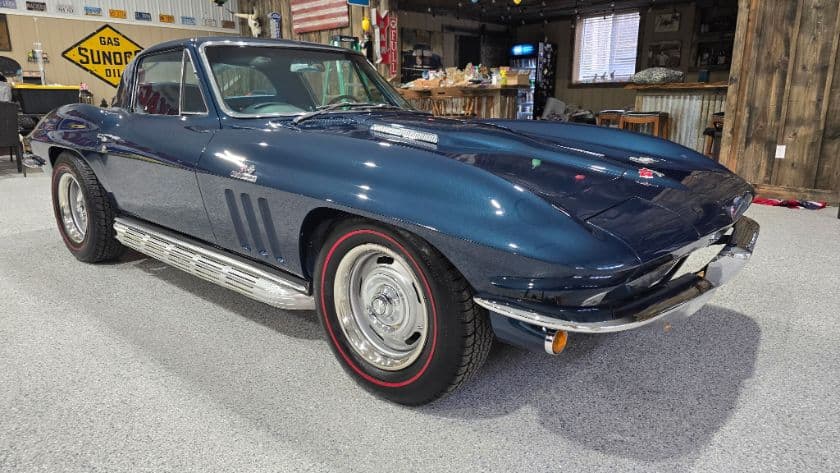
The Corvette has been in continuous production since 1953, making it the longest-running sports car nameplate in American history. The C2 Sting Ray (1963–1967) and early C3 (1968–1972) represent the peak of collector demand, with the 1963 split-window coupe and L88-equipped cars among the most valuable American automobiles ever made.
History
The first-generation Corvette (1953–1962) debuted at the GM Motorama show and went into production the same year with a fiberglass body — revolutionary for an American production car. Early C1s used a straight-six and Powerglide automatic. The 1955 addition of a V8 transformed the car entirely, and by the early 1960s the C1 with its 327 V8 was a genuine world-class performance machine.
The C2 Sting Ray (1963–1967), designed by Bill Mitchell and Larry Shinoda, is widely considered the most beautiful American car ever produced. The 1963 split-window fastback coupe appeared for one year only before customer pressure led to a one-piece rear window. Fewer than 250 L88-equipped Corvettes were ever produced across the 1967–69 model years; those cars are among the rarest American collectibles.
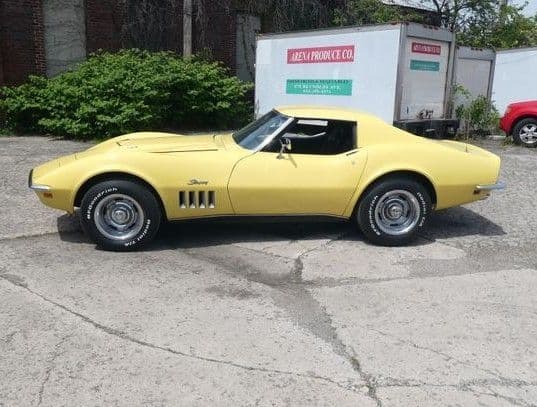
The C3 (1968–1982) carried the Sting Ray styling language into a more dramatic package. Early C3s (1968–72) with big-block engines — particularly the LS6 454 — are highly collectible. Later emissions-restricted examples (1975–82) are more affordable entry points into Corvette ownership.
Notable Versions
1963 Split-Window Coupe
One-year-only design with divided rear window. The most valuable production C2.
L88 (1967–69)
427 rated at 430 hp (actual output ~540 hp). Required racing fuel. Fewer than 200 produced.
LT-1 (1970–72)
350 small-block with solid lifter cam, 370 hp. Preferred by handling purists over the big-blocks.
1978 Pace Car
Limited edition commemorating the 25th anniversary and Indianapolis 500 pace car duties.
What to Look for When Buying
Key inspection points from experienced collectors.
Inspect every body panel for delamination
Fiberglass panels are expensive to repair properly. Look for cracks, spider webbing, and soft spots indicating moisture damage.
Check the birdcage frame structure
Frame rust under the body is critical and common on outdoor-stored cars. The birdcage repair is a major restoration expense.
Verify engine number location by year
Stamp location varies by year — research the correct location before buying. Numbers-matching engines are essential for value.
Windshield frame and A-pillar rust
Common on cars that sat outside. Inspect the steel structure around the windshield opening carefully.
L88 and high-option clones are common
Rare, high-value Corvettes are frequently faked. Thorough documentation and registry verification is non-negotiable.
Quick Specs
- Engine options
- 235 I6, 265–350 V8, 396–454 big-block V8
- Horsepower
- 150–560 hp (LS6 454)
- Wheelbase
- 98 in (C2/C3)
- Weight
- 3,100–3,450 lbs
- Transmission
- 3/4-spd manual, Powerglide, TH350/400
- 0–60 (L88)
- under 5 seconds
Market Price Guide
Approximate USA asking prices
Ready to find one?
Browse current Chevrolet Corvette listings from trusted dealers.
View All Listings →Shop Parts
Find Chevrolet Corvette parts on eBay
Shop on eBay →We may earn a referral fee if you make a purchase through this link, at no additional cost to you. Learn more
Bring These to Your Inspection
A few inexpensive tools that catch what a walk-around alone won't
- View →
Compression Tester Kit
Checks cylinder compression to catch worn rings or valve issues before you buy.
- View →
OBD2 Code Reader
Reads check-engine codes the seller may not have mentioned — plug in before you even pop the hood.
- View →
Magnetic Paint Thickness Tester
A magnet pulls weaker over filler/bondo than bare metal — a quick way to spot hidden bodywork.
- View →
Telescoping Inspection Mirror & Light Set
See up into wheel wells and behind components without crawling underneath.
We may earn a referral fee if you make a purchase through this link, at no additional cost to you. Learn more
Chevrolet Corvette For Sale
129 listings currently available